
November 14, 2026
Same Model, Different Parts: Catching Unannounced Changes in Storage Products
How buyers catch an unannounced change in a storage product: what actually changes inside, five goods-in checks that need no lab, and the clauses that make a supplier tell you first.
Este artículo está disponible en inglés.
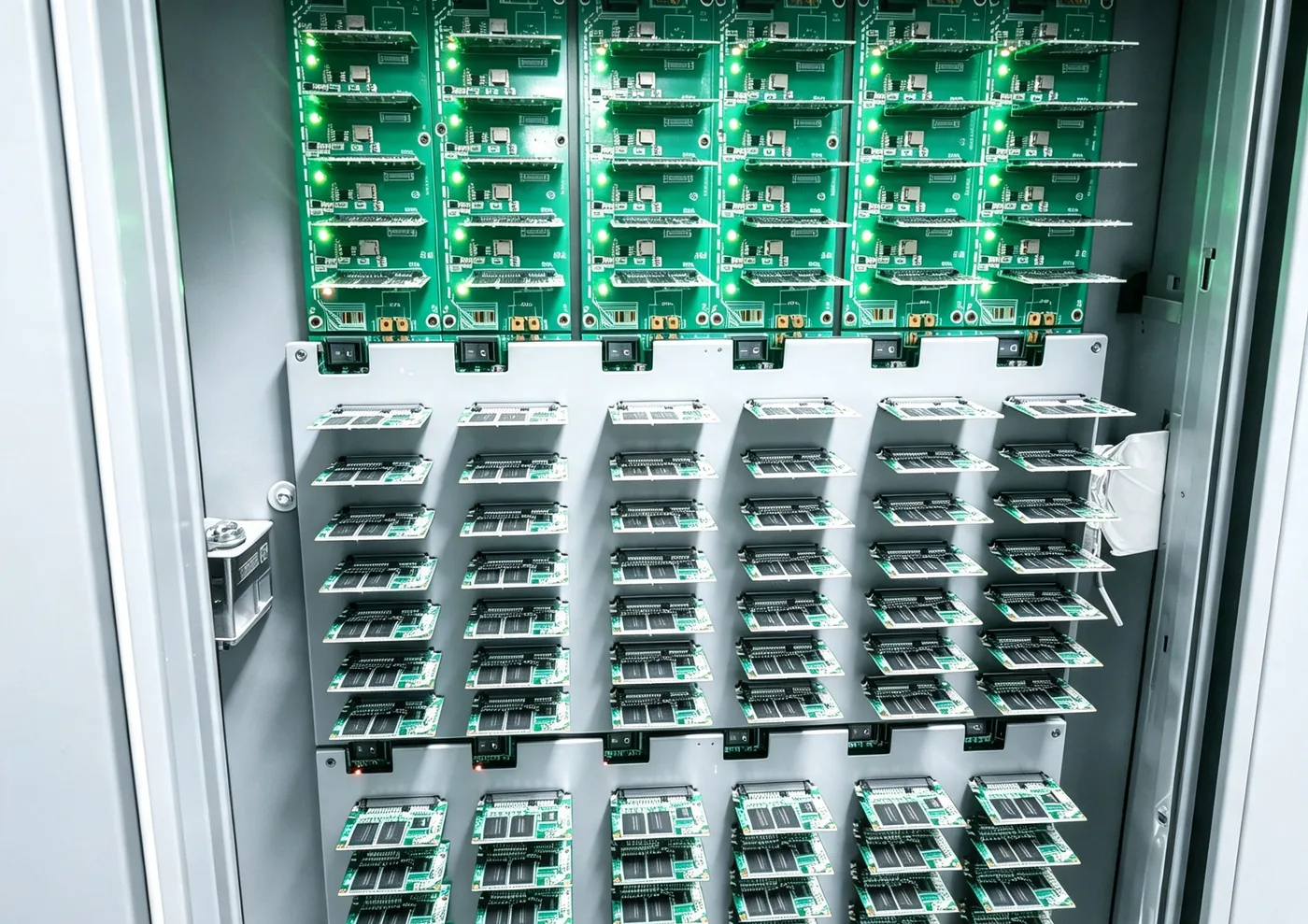
The carton says the same part number. The label, the colour and the capacity match last quarter's delivery. Then the line runs its throughput check and the numbers come back at half of what they were. Nobody sent a notice, because from the supplier's side nothing was discontinued. A controller was substituted. A memory source changed. The model code stayed the same.
Unannounced changes are the quiet version of end-of-life. An end-of-life notice at least gives you a date and a last order. A silent change gives you the same model code and a different product inside. Buyers who catch it at goods-in lose a few days. Buyers who catch it at their own customer's line lose the account.
What Actually Changes Inside
Changes usually start outside the factory: a controller goes on allocation, a memory source stops shipping a die revision, a cost move makes one part suddenly preferable. Six things move while the outside stays identical, and each has a different blast radius.
- Controller or bridge chip. Throughput behaviour, power draw, and how the drive behaves on an older host port.
- Memory source or grade. Same capacity, different endurance, and a different failure rate under sustained writes.
- Firmware. Power-state timing, thermal response, and the attributes the host reads at enumeration.
- PCB layout. Signal integrity at high speed, and how heat spreads into the enclosure.
- Enclosure and finish. Fit inside a customer's moulded recess, and how the marking wears.
- Packaging and accessories. What the retail box contains, and what the carton marks say.
Why the Spec Sheet Never Shows It
A datasheet describes a product family, not a production batch. The headline numbers — interface generation, capacity range, form factor — usually survive a substitution, because the replacement part is chosen to meet them. What moves is behaviour under load: the tail of the performance curve, thermal throttling, and the failure rate after months in the field. Those are the numbers a short datasheet does not carry, and the ones a customer's acceptance test measures.
Five Checks at Goods-In
None of these needs a laboratory. All five need a baseline recorded at approval.
- Model and firmware read-back. Read the reported model string, firmware revision and capacity on a host, then compare with the record from the approved sample.
- Throughput smoke test. One large sequential write and one read on a fixed host, same file size every time. Compare with your own approval number, never with the datasheet.
- Weigh and measure. A substituted PCB or a different alloy shows up in grams and millimetres. Hold the tolerance taken from the golden sample.
- Marking and artwork. Laser depth, print position, label revision letter, carton marks.
- Endurance spot check. Keep a small sample on a rewrite loop for a fixed period, especially for cards and drives that are rewritten often.
Keep the baseline on one page per model and capacity: the firmware string, the throughput number, the weight, and a photo of the marking, dated and signed. Without it, every future batch is judged against memory, and the first disagreement with a supplier becomes one person's word against another's.
Make the Supplier Tell You First
Detection is half of it. The other half is a clause that makes detection routine: notice before the change ships, not after.
- Change notification. Any change to controller, memory source, firmware branch, PCB or packaging triggers a written notice before the first affected shipment.
- Golden sample. One sealed reference unit per model and capacity, held by both sides, labelled with the revision it represents.
- Requalification right. You may hold a shipment until the agreed checks pass, at no cost to you.
- Revision traceability. Every carton carries a revision or date code that maps to the change record.
Qualify a Changed Build as a New Product
When a change does land, treat it as a new part. Five lines, each with an owner and a filed result.
| Check | What to prove | Evidence to file |
|---|---|---|
| Form and fit | Footprint, connector position, thickness; fits the customer recess | Drawing comparison and a physical fit check |
| Interface behaviour | Same negotiated rate and enumeration on the customer's host | Log from the actual platform |
| Sustained performance | Read and write across a long transfer, not a short burst | Throughput curve against the approved baseline |
| Thermal and power | Surface temperature and current at idle and under load | Measurement at the same ambient |
| Records | Datasheet, declaration and artwork reissued for the new revision | Updated document set |
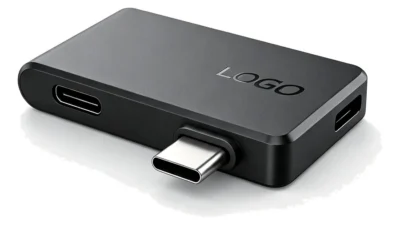
Portable drives are the most exposed category, because the customer's experience includes the cable and the phone. A USB3.2 Gen2 model rated at 10Gbps, such as PS3030, is qualified against host ports that may only offer Gen2. A substitute bridge that negotiates differently will pass a bench test and fail in the field.
Internal drives add mechanics. NV002 is a 2280 form factor, 22×80×3mm at 7g, PCIe4.0×4 with NVMe1.4, up to 5000MB/s across 256GB to 2TB. A substitute that is also 2280 but double-sided can foul a thermal pad in a low-clearance chassis, and no datasheet line warns you.
FAQ
Is a firmware update the same as a part change?
When it can alter behaviour the customer relies on — power-state timing, thermal response, reported attributes — treat it as a part change. A written compatibility statement is the minimum; a re-sample is usual.
How often should the smoke test run?
Every lot, on a sample. It takes minutes and it catches the changes that matter. Run the full qualification only when a revision record or one of your own measurements flags a difference.
What if the supplier calls it an improvement?
An improvement still needs a record. Ask which revision it lands in, which documents change, and whether the customer's approval covers it. Improvement without documentation is a change you cannot audit.
If you are setting up a change-control routine for an active programme, Shenzhen LingC Industrial Co., Ltd. can supply a reference sample per model and capacity and review these checks with your quality team. Contact Cherie at Cherie@lingctech.com with the model codes you buy today.
Este artículo también está publicado en el blog de lingctech.com.Ver la publicación original
Modelos mencionados en este artículo
SSD portátiles
PS3030
SSD portátil complementario para iPhone
- Interfaz
- Type-C
- Capacidad
- 512GB~2TB
- Velocidad
- 2000MB/s
¿Compras los productos de este artículo?
Envía los modelos y cantidades: precio, plazo y muestras en 1-2 días laborables.